
Wine Decanting, Explained Through an Aged Pauillac
Decanting has a reputation problem. Many diners picture a server pouring wine into another bottle purely for effect — a bit of tableside theater before the first sip. An aged bottle of Pauillac shows why that’s wrong on both counts.
Why Does Wine Need to Breathe? Two Reasons, Not One
“Breathing” actually covers two different jobs. Young, tannic wine gets aerated so it softens and opens up. Old wine gets separated from its sediment so the glass in front of you is clear. Mixing up the two is where most of the “decanting is just for show” skepticism comes from — done the wrong way, it can hurt a wine rather than help it.
How to Let a Young, Tannic Wine Breathe
A wine built for long aging — dense in tannin, tightly wound in its youth — needs oxygen to unwind. Pour it into a decanter and let it sit for an hour or more: the tannic grip softens, and the fruit and aromatics come forward. This is the vigorous, air-heavy decanting most people picture.
How to Open Old Wine Without Disturbing the Sediment
An old bottle calls for the opposite approach. After fifteen, twenty, or more years, red wine usually throws sediment — fine particles of tannin and pigment that settle out with age. It’s not a flaw; it’s a sign the wine has matured. But it tastes bitter and gritty if you stir it up. The fix: pour slowly and steadily against a light source, moving the clear wine into the decanter and leaving the sediment in the bottle—with only a light touch of air, since older wine is more fragile.
Why the Wine Ends Up in a Different Bottle
The vessel itself is practical, not decorative: a wide base speeds up aeration for a young wine, while a clear glass decanter lets you watch for sediment in an old one and stop pouring in time.
Young Wine vs. Old Wine, at a Glance
| Young, tannic wine | Old wine (15+ years) | |
| Goal | Aeration — soften tannins | Separation — remove sediment |
| Pour speed | Fast, can be poured firmly | Slow, steady, single motion |
| Time in decanter | 1 hour or more | Minutes — just before serving |
| What to watch for | How open the aromas become | Sediment reaching the neck |
Pauillac and the Case of Château Lynch-Bages
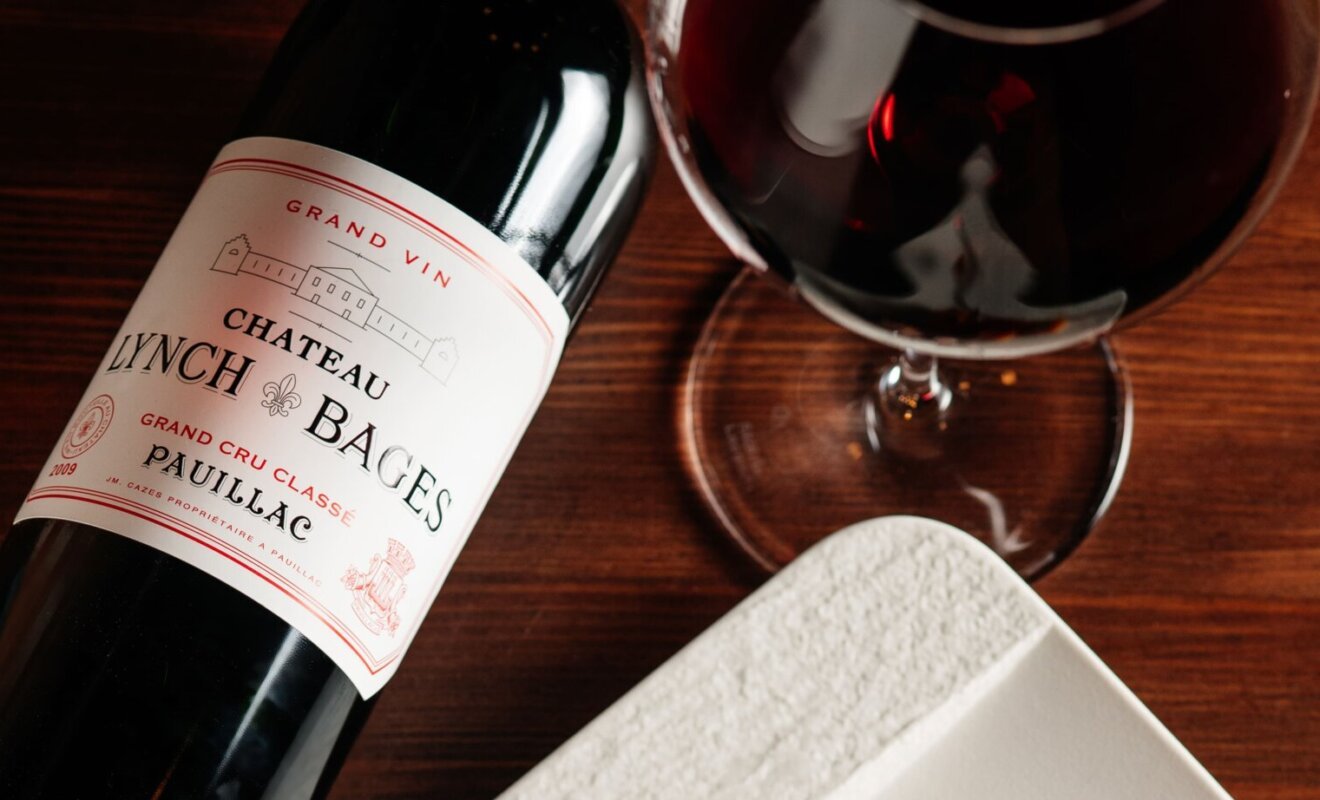
Few Bordeaux appellations make the distinction clearer than Pauillac. Its gravel soils favor Cabernet Sauvignon, and its wines tend to be structured, tannic, and built to age for decades. Château Lynch-Bages, a classified growth from the 1855 Bordeaux classification, is a familiar example — powerful and closed in youth, but capable of real complexity once it has had time to settle.
Terra’s wine list currently includes the Château Lynch-Bages Pauillac Grand Cru Classé from the 2005 and 2009 vintages, both now well past their tannic youth. At the table, a bottle like this calls for the gentler approach — a slow pour to isolate the clear wine, not a hard splash meant to blow it open — and it pairs naturally with structured, rich dishes like the dinner menu’s black truffle and Kaluga caviar beef tartare.
Frequently Asked Questions
Does decanting really make wine taste better?
Yes, but only when it matches the wine. Aerating a young, tannic wine can soften it noticeably; decanting an old wine won’t change its flavor much, but it removes sediment and lets the aromas settle before the first sip.
Is it fine to pour wine straight from an old bottle?
It can be, if the bottle has been stored upright for a day or two so the sediment settles at the bottom, and you pour slowly and stop before the last inch or so. A decanter just makes this easier to control.
What happens if you don’t decant an old, sedimented wine?
Nothing dangerous — the sediment is harmless — but it can make the last glass taste bitter or gritty, and cloud the wine’s color.
How long should wine be left to breathe?
It depends on the wine, not a fixed rule. A young, structured red might need an hour or more; a fragile older wine often needs only the time it takes to serve it.
Does every wine need to be decanted?
No. Most everyday wines are ready to drink straight from the bottle. Decanting matters most for young, tannic reds and for wines old enough to have thrown sediment.
Visit Terra Brooklyn
Guests curious about how a bottle like the Château Lynch-Bages Pauillac is opened and served can ask at the table, or look at the wine and cocktails menu ahead of a visit. For those planning a dinner around a specific bottle, the dinner menu is a good place to start, and readers who enjoyed this piece may also want to read why Barbaresco is having a moment.
Terra Brooklyn is a fine-dining restaurant in Sheepshead Bay, Brooklyn — for anyone searching for fine dining near me in the area, you can reserve a table here.