
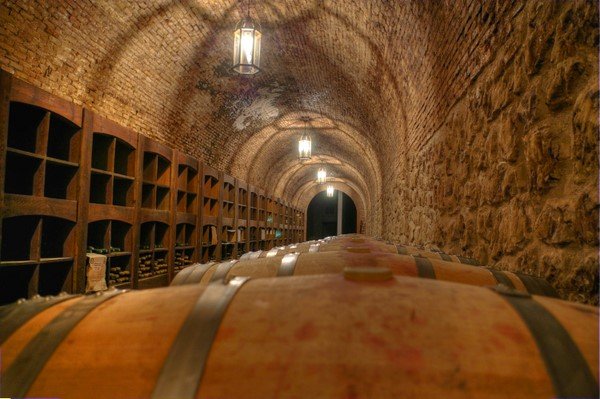
A wine labeled Gran Reserva makes a specific, legally enforced promise before you ever pull the cork. A wine labeled Gran Reserva from 1970 makes a much bigger one — that somewhere in a Rioja cellar, a barrel and then a bottle sat undisturbed through more than five decades of vintages, wars in wine fashion, and changes in ownership, waiting for someone to eventually open it. Terra Brooklyn’s wine list includes a Bodegas Riojanas Viña Albina Gran Reserva from that year, which is as good a reason as any to unpack what “Gran Reserva” actually requires, and what a wine this old is really like once it’s in the glass.
What Rioja Gran Reserva Actually Requires by Law
“Gran Reserva” isn’t a marketing term — it’s a legal classification enforced by the Consejo Regulador of DOCa Rioja, the region’s regulatory board. To carry the label, a red wine must be aged for a minimum of five years total between barrel and bottle, with at least two full years in oak. The remainder rests in bottle before release, refining tannins and allowing the wine’s aromas to shift from primary fruit toward something more layered. Reserva and Crianza sit below it on the same ladder, with shorter minimums at each step — Crianza requires about a year in oak, Reserva at least a year in barrel plus additional bottle time.
Gran Reserva also carries an unwritten rule that matters as much as the legal one: producers generally reserve the designation for vintages they consider strong enough to reward the wait. A bodega isn’t obligated to make a Gran Reserva every year, and many don’t. The classification is as much a statement about the vintage as it is about the aging process.
Viña Albina and the House Behind It
Viña Albina is one of two flagship Gran Reserva bottlings from Bodegas Riojanas, a family-run winery founded in Cenicero, in the heart of Rioja Alta, back in 1890. The estate is now run by its fifth generation and has built its reputation specifically around patient, traditional aging — American oak barrels, extended cellar time, and Gran Reservas released only when the bodega judges them ready, sometimes decades after harvest. Viña Albina and its sister label, Monte Real, are the wines Bodegas Riojanas is best known for, and both follow the classic Rioja style rather than the more modern, fruit-forward approach some newer producers favor.
A Vintage With a Reputation of Its Own
1970 isn’t an arbitrary year to find sitting in a cellar. It’s widely regarded among Rioja specialists as one of the region’s landmark vintages of the era — a warm, generous growing season that gave several of the region’s historic houses the raw material for wines built to last. Producers who made Gran Reserva that year did so because the fruit could support it, and more than fifty years on, bottles from 1970 still turn up in specialist and library releases precisely because that vintage delivered wines with the structure to go the distance.
What Actually Happens to a Wine This Old
Rioja built on Tempranillo, aged this long, doesn’t taste like a young red wine that’s simply faded. The color shifts from deep ruby toward garnet and brick at the rim. The fresh red and black fruit of a young Rioja gives way to something more savory — dried fruit, leather, tobacco, cedar, and earthy, spice-driven notes are typical of well-cellared Rioja from this era, a result of decades of slow oxidative aging through the cork and the extended time the wine spent in oak early on. Tannins that were once firm soften into something closer to silk, while a well-stored bottle from a strong vintage like 1970 tends to keep enough acidity to stay lively rather than tired.
None of this happens uniformly. Bottle variation is real with wine this age — storage conditions, cork integrity, and even how the bottle traveled over five decades all shape what’s actually in the glass. It’s part of what makes an old Rioja Gran Reserva a genuinely different experience each time, rather than a fixed, repeatable tasting note.
How a Wine This Old Is Served
Serving a wine from 1970 is different from opening something from last decade. The bottle needs to stand upright for a while beforehand—ideally a day—so the sediment that naturally forms in a wine this old has time to settle to the bottom rather than clouding the glass. Decanting is done slowly and carefully, usually with a light source behind the neck of the bottle so the sediment is visible, and the pour stops the moment it starts to move. Unlike a young, tannic red that benefits from vigorous aeration, a wine this mature is handled gently—overexposure to air can flatten it quickly rather than open it up. Once it’s in the glass, it’s meant to be tasted right away, not left to sit.
Should You Order a Wine This Old?
A Gran Reserva from 1970 isn’t for everyone at the table, and that’s worth saying plainly. It rewards guests who are curious about what wine actually does with time, rather than those looking for bright, primary fruit. It’s a glass best approached with an open mind about what “old wine” means — less about power, more about the kind of complexity that simply can’t be replicated in a young bottle. For a dinner built around slow courses and conversation, it’s the kind of pour that gives the table something to talk about beyond the meal itself.
FAQ
What is Rioja Gran Reserva?
It’s the highest aging classification in Rioja’s legal hierarchy, requiring a minimum of five years of total aging, with at least two years in oak barrel, before the wine can be released and labeled Gran Reserva.
How long is Rioja Gran Reserva aged?
By current Consejo Regulador rules, a minimum of five years total — at least 24 months in oak and additional time in bottle before release. Many producers, including Bodegas Riojanas with wines like this one, age their Gran Reservas well beyond the legal minimum.
Is Viña Albina Gran Reserva 1970 still good to drink?
Bottles from strong, well-regarded vintages like 1970, stored properly, can still be very much alive after five decades — though condition varies bottle to bottle given the wine’s age.
How do you serve a wine this old?
Stand the bottle upright for a day before opening, decant slowly with a light source to watch for sediment, and serve promptly rather than letting it sit too long in the decanter.
What does a 1970 Rioja taste like?
Wines from this era typically show tertiary characteristics rather than fresh fruit—dried fruit, leather, tobacco, cedar, and savory spice notes —with softened tannins and, in well-preserved bottles, acidity that keeps the wine feeling fresh rather than tired.
Reserve a Table
If a wine with this kind of history is something you’d like to try, the Viña Albina 1970 is on the list at Terra Brooklyn. Reserve a table for dinner in Sheepshead Bay and ask about it.